GM Energy: What Its Data-Center Battery Push Means

GM Energy is moving into data-center batteries, sodium-ion storage, and V2G. Here is what GM's energy push means for your EV, charging, and home backup.
Key Takeaways
- GM Energy announced three battery deals (Peak Energy sodium-ion, LG LFP, Redwood second-life) to sell grid storage to data centers and utilities.
- GM's sodium-ion cells aim to run without active cooling and cost at least 20% less to use once installed, but they are too low-density for EVs and are years away.
- Vehicle-to-grid is the piece that touches you: about 250,000 GM EVs can already send power back, and a utility-owned-battery model could lower EV prices.
On this page
Why is a Detroit automaker suddenly talking about data centers instead of horsepower?
General Motors used a San Francisco briefing on June 9, 2026 to announce three battery deals and a wider vehicle-to-grid plan, signaling that GM Energy now sees grid storage as a business that reaches well beyond the cars it sells.
What GM Energy's data-center battery push actually means for you
GM is building an energy-storage business aimed at data centers and the electrical grid, and parts of it touch your EV, your charging, and your home backup power directly.
The plan has two sides: stationary batteries that GM sells to utilities and data centers, and vehicle-to-grid technology that lets your own EV feed power back to the grid or your house.
GM framed both moves as a response to rising energy costs during the artificial-intelligence data-center boom, according to CNBC.
Residential electricity prices in the U.S. have risen by nearly 48% since January 2020, from 12.76 cents per kilowatt-hour to 18.83 cents per kilowatt-hour in March 2026, per a U.S. Energy Information Administration forecast cited by CNBC.
That cost pressure is the backdrop for everything GM announced.
The three battery deals GM announced
GM detailed three separate partnerships, each covering a different battery chemistry and timeline.
- Peak Energy (sodium-ion): GM will co-develop sodium-ion cells at its Battery Cell Development Center in Warren, Michigan, targeting customer-ready cells after 2028.
- LG Energy Solution (LFP): GM will supply lithium iron phosphate cells to LG, which will build them into storage systems for data centers and utilities.
- Redwood Materials (second-life): GM is buying a 7.2 MWh storage system built from second-life EV batteries for its Milford Proving Ground in Michigan, where it will handle backup power and peak demand.
The Peak Energy deal is the most ambitious, according to The Next Web.
Peak Energy is a Bay Area startup backed by $100 million in funding, currently producing sodium-ion cells at a pilot facility in Escondido, California, and building a larger plant it says will make 10 GWh of cells annually.
No automaker outside China has committed to sodium-ion development at this scale, which makes GM the first Western carmaker to move from research papers into manufacturing trials.
Why sodium-ion matters for data centers, not your car
Sodium-ion batteries are well-matched to stationary storage but not yet suited to electric vehicles.
Their energy density runs roughly 120 to 160 watt-hours per kilogram, far below the 250 to 300 Wh/kg that lithium-ion delivers in modern EVs, which makes them too heavy for cars but fine for grid packs where weight is irrelevant.
The cost case is what GM is selling.
GM battery chief Kurt Kelty told Forbes the cells can run without active cooling even at 55 Celsius (131 Fahrenheit), making them at least 20% cheaper to use once installed despite a higher cell cost.
Kelty also said GM's sodium cells carry a 20-year usable life and use materials that can be sourced inside the U.S., reducing reliance on supply chains concentrated in China.
What is easy to miss here is the timeline: large-scale sodium production is at least two years out, so the LFP deal with LG fills the gap until then.
How vehicle-to-grid could change your next EV's value
The part of the announcement most likely to reach your driveway is vehicle-to-grid, or V2G.
GM said it already has the largest fleet of bi-directional EVs on the road, about 250,000 vehicles that can send power back to the grid, according to Forbes.
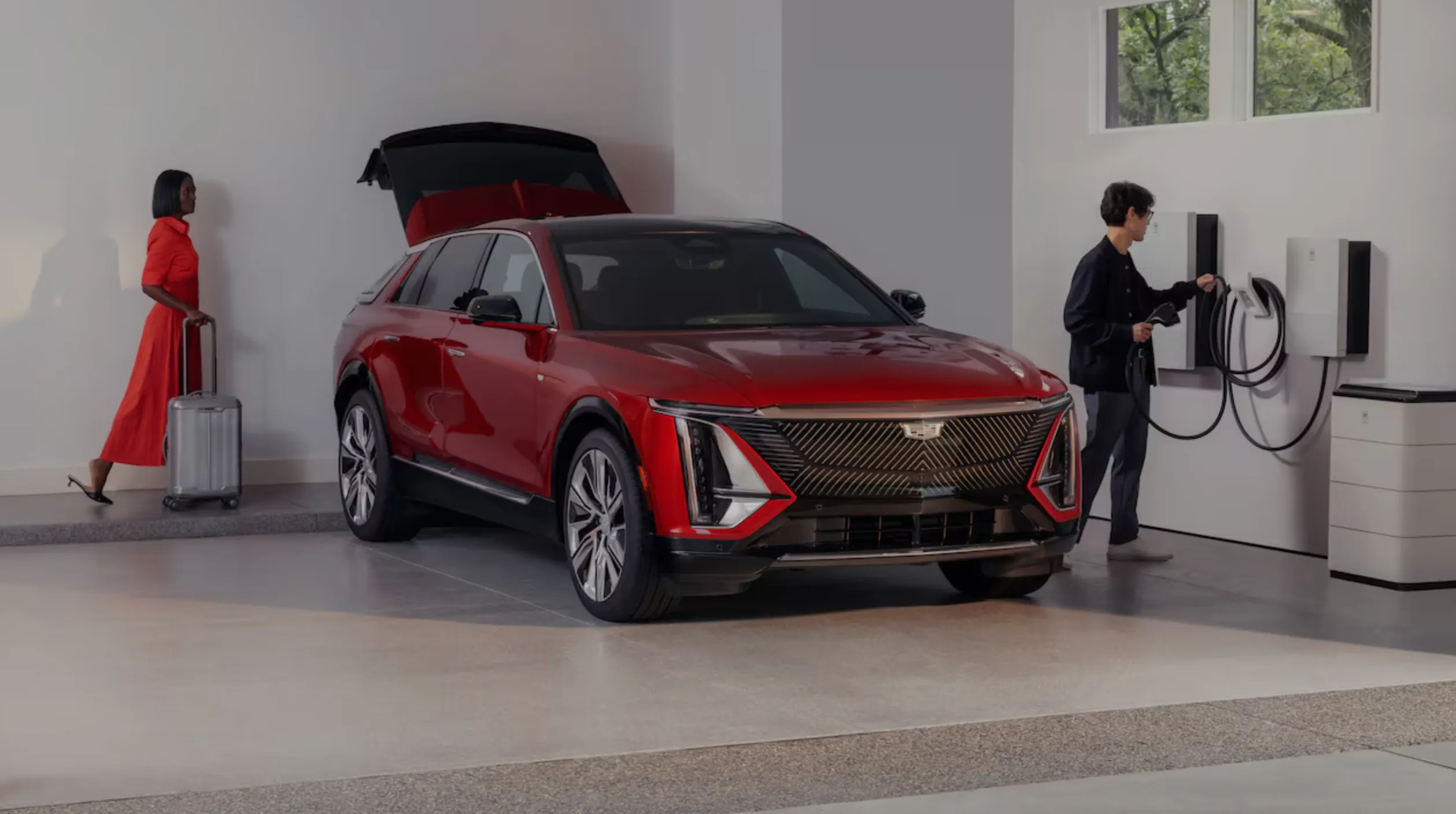
In practice, that means a capable GM EV can act as backup power for your home during a blackout, and utilities can pull stored energy from it when grid demand spikes.
GM is already running a program with California utility PG&E to test this, and PG&E offers GM EV owners a $4,500 rebate to install smart charging equipment that can draw power from the vehicle during high-demand periods.
The more interesting idea came from GM chief product officer Sterling Anderson, who floated a model where a utility effectively owns or leases back the battery.
In that scenario you would pay less for the EV because you did not fully buy the battery, while the utility recoups its cost through the bi-directional charging it pulls from your car, Anderson told Forbes.
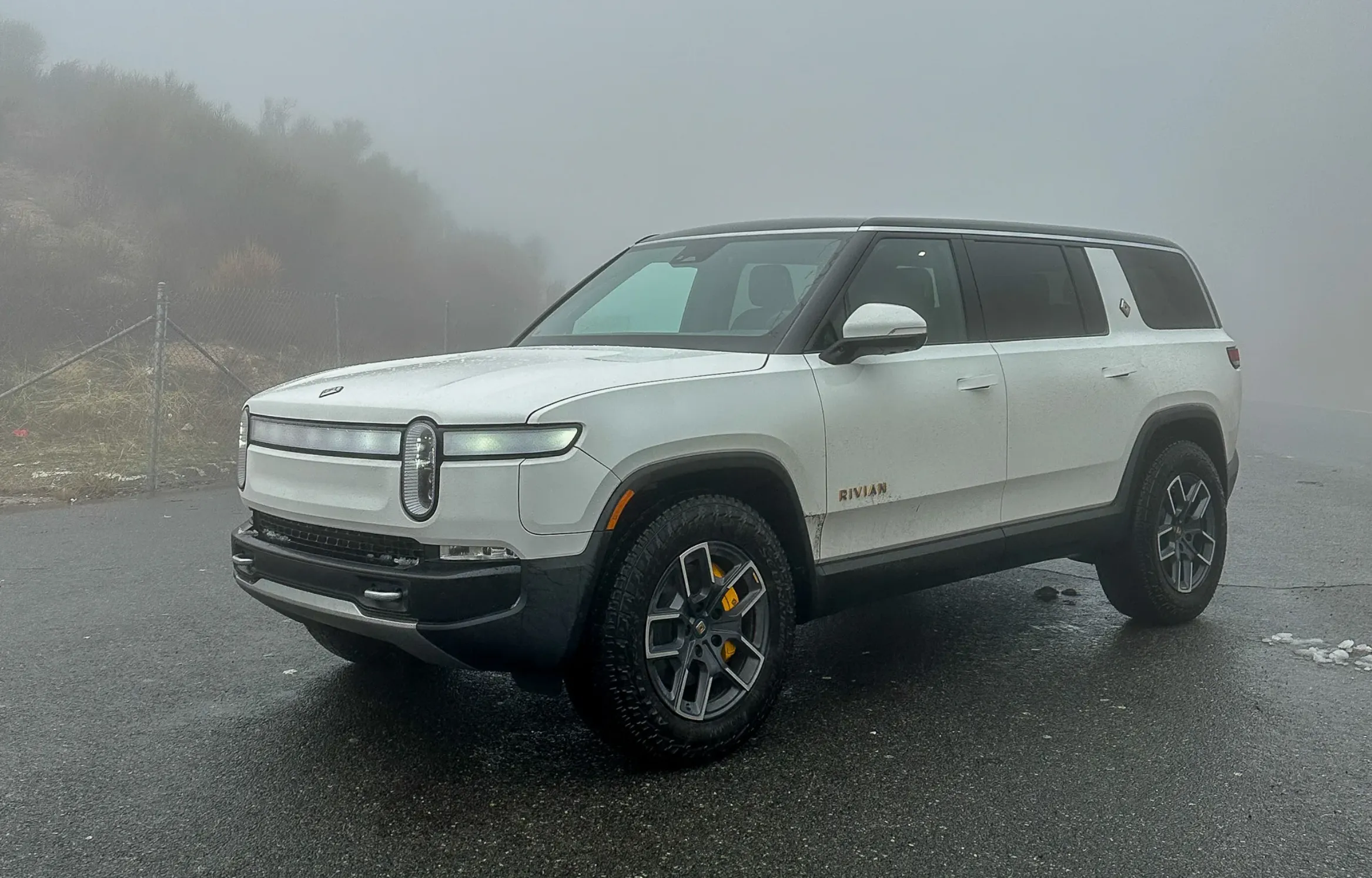
That is not happening yet, but GM described it as a creative way to make EVs more affordable to own, an idea that echoes the affordability shift seen with models like the Rivian R2 lowering the EV entry price.
Why GM is making this pivot now
GM is trying to monetize battery manufacturing capacity that currently serves only its vehicle business.
The company has committed $900 million to battery chemistry R&D since 2022, and EV sales growth has slowed well below what GM projected two years ago, so a second revenue stream spreads that investment across a larger market.
Through its Ultium Cells joint venture, GM has about 90 gigawatt hours of production capacity at plants in Ohio and Tennessee, and Ultium announced a $70 million investment in March to start making LFP storage batteries in Tennessee, per CNBC.
The strategy carries real risk, and this number matters because GM has no track record in energy storage.
It will be competing against established players like Tesla Energy, Fluence, and BYD's storage division, all of which have years of deployment experience, while sodium-ion remains unproven at commercial scale outside China.
For now the practical takeaway is simple: GM Energy is a bet on selling batteries and grid services, and its V2G side is the piece most likely to shape what your next electric car is worth.
If you want to track how this fits the broader shift in electric vehicles, the Cars coverage hub follows the same beat.
Frequently asked questions
What is GM Energy doing with data-center batteries?
GM is building energy-storage systems for data centers and utilities through deals with Peak Energy (sodium-ion), LG Energy Solution (LFP), and Redwood Materials (second-life EV batteries), aiming to meet rising power demand from the AI data-center boom.
What is vehicle-to-grid and how does it affect my EV?
Vehicle-to-grid (V2G) lets a bi-directional EV send stored power back to the grid or your home. GM says about 250,000 of its EVs already support it, and it is testing utility programs like a $4,500 PG&E rebate for smart charging.
When will GM's sodium-ion batteries be available?
GM expects sodium-ion cells from its Peak Energy partnership to be ready for customer use after 2028, with large-scale production at least two years away. Until then GM uses LFP cells made with LG Energy Solution.
About the author
The Mixstackrr Team is a group of writers and editors with more than 10 years of combined experience in SEO and consumer tech. We test devices, dig through settings, and turn everyday tech problems into clear, step-by-step guides anyone can follow.