
SpaceX IPO: How to Buy Shares and Is It Worth It?

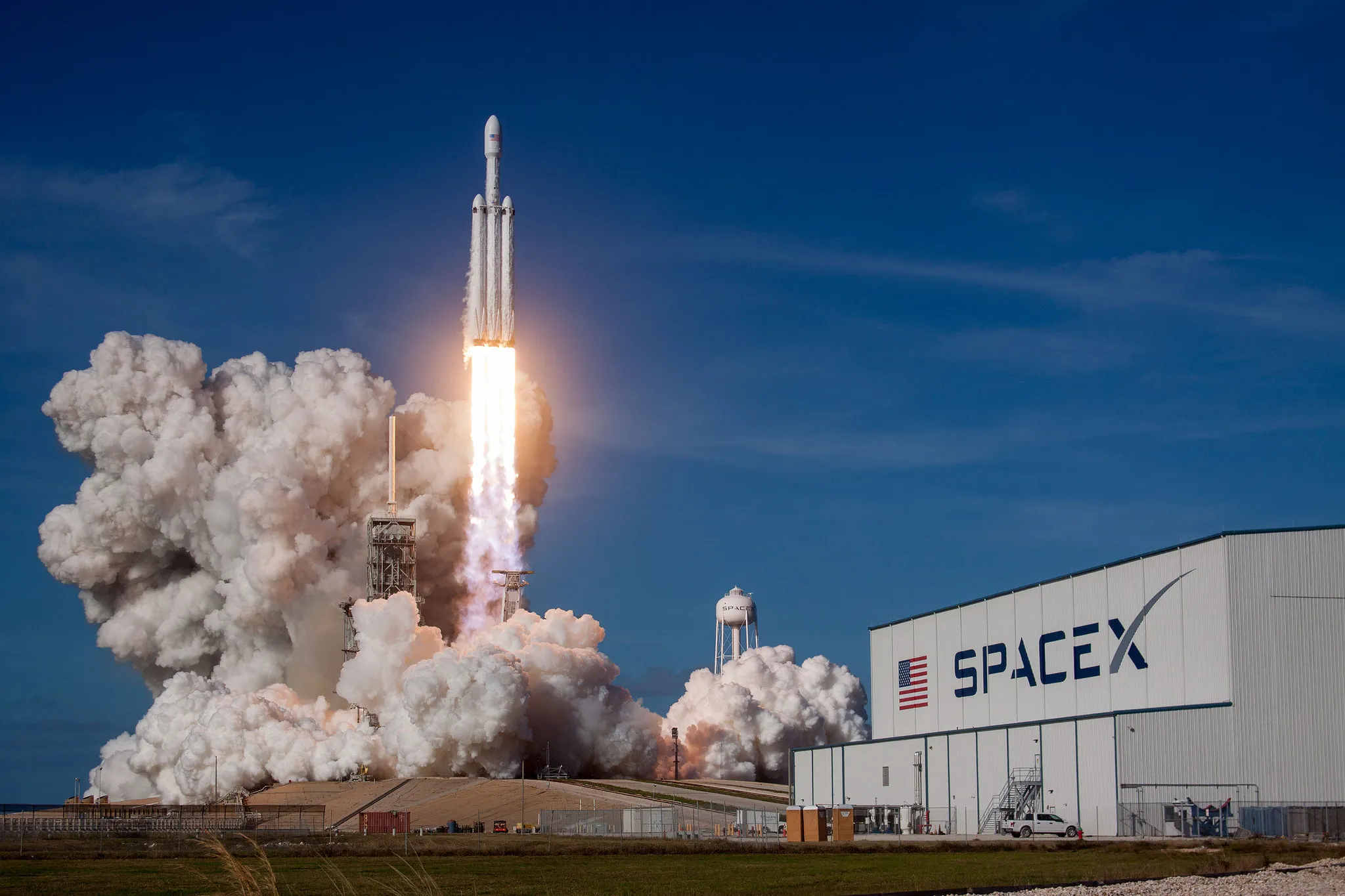
The SpaceX IPO is the largest on record, debuting on Nasdaq at $135 a share. Here is how to buy SpaceX shares, the real risks, and whether it is worth it.
Key Takeaways
- The SpaceX IPO raises $75 billion at $135 per share, valuing the company at $1.77 trillion and making it the largest IPO on record, with a Nasdaq debut on Friday.
- SpaceX is burning cash, posting a $4.28 billion quarterly net loss and a $41.3 billion cumulative deficit, and it warned it may never reach profitability.
- Retail investors got a 30% allocation and demand is three to four times oversubscribed, but a volatile day-one pop, underwriter favoritism, and a disputed valuation are real risks.
On this page
Retail investors have placed over $100 billion in orders for the SpaceX IPO, so the demand is real, but should you actually buy in?
SpaceX is set for the largest initial public offering on record, raising $75 billion by selling 555.6 million shares at $135 each, and its Nasdaq debut lands on Friday.
How to buy SpaceX shares in the IPO
The SpaceX IPO is your first chance to own part of the company, because until now it has stayed private for 24 years.
Shares are priced at a fixed $135 each and begin trading on the Nasdaq on Friday, when the general public can buy in for the first time.
An IPO, short for initial public offering, is the process where a private company goes public and lets anyone, not just employees, purchase shares on an exchange like the Nasdaq.
To buy on day one you place an order through a brokerage account once the stock starts trading, the same way you would buy any listed stock.
SpaceX reserved an unusually high 30% of the stock for retail investors, a larger slice than most IPOs set aside for everyday buyers.
Demand is roughly three to four times oversubscribed, meaning far more buyers want shares than there are shares available.
Underwriter favoritism is one catch here, because large institutional investors usually get priority over individual retail investors for the limited shares.
How much is SpaceX worth at IPO?
The deal values SpaceX at $1.77 trillion, making it the seventh most-valuable U.S. company, ahead of Elon Musk's own electric vehicle maker, Tesla.
That valuation is a wager on Musk more than on current results, as reported by CNBC, since the company is burning cash and is far smaller by revenue than any of its trillion-dollar peers.
Not everyone agrees with the price tag, and analysts at Morningstar valued the company at $780 billion, about half of what SpaceX has claimed.
The Morningstar analysts said the rocket business holds the biggest upside, while Starlink will keep driving cash even though its room to grow is more limited than SpaceX estimated.
This gap between $780 billion and $1.77 trillion matters because it shows how much of the IPO price rests on optimistic projections rather than proven earnings.
What you are actually buying
SpaceX is more than a rocket company, and that complicates the investment.
The namesake unit designs rockets like Falcon 9 and Starship and sells access to space.
Around that sit Starlink, the satellite internet network that is the only profitable unit and the bulk of revenue, and xAI, the artificial intelligence division that merged with SpaceX in February 2026.
Because xAI includes the social media platform X and its chatbot Grok, those are now under the SpaceX umbrella too.
Here is the breakdown of the main business lines based on the prospectus and reporting:
| Business unit | What it does | Financial note |
|---|---|---|
| SpaceX (launch) | Falcon 9 and Starship rockets, access to space | Identified as the biggest upside by Morningstar |
| Starlink | Satellite internet | Only profitable unit, bulk of revenue |
| xAI | Grok chatbot, X social platform | Cash-burning, large losses |
The numbers behind the SpaceX IPO
SpaceX said revenue increased 15% to $4.69 billion in the first quarter from $4.07 billion a year earlier.
For all of last year, revenue jumped 33% to $18.67 billion.
The company recorded a net loss of $4.28 billion in the latest quarter after losing $4.94 billion in 2025.
Capital expenditures in the first quarter reached $10.1 billion, more than doubling from a year earlier, and $7.7 billion of that went to AI.
SpaceX has racked up a cumulative deficit of around $41.3 billion since it was founded in 2002, and it warned investors in its prospectus that it may not achieve profitability in the future.
That profitability warning is easy to miss, but it is the single most important line for anyone deciding whether the SpaceX IPO is worth it.
Is the SpaceX IPO worth it?
The biggest immediate risk is straightforward, because the stock could drop soon after it begins trading.
The opening day can be volatile, with banks helping stabilize prices and strong retail demand potentially pushing shares higher in a day-one pop, followed by sharp drops when early investors cash out.
The more meaningful test comes after a month, when the market decides whether there is sustained demand for a company trading at some of the highest valuation multiples on record.
Popularity is a poor signal here, since even good companies can be bad investments at a high price.
Two Wall Street firms still see upside, as Oppenheimer opened coverage with an outperform rating and a 12- to 18-month price target of $190, implying a 40% gain from the IPO price, while New Street Research set a $165 target.
If you want to buy, the practical guidance is to understand the dangers of IPOs, only invest money you can afford to lose, and talk to a financial adviser first.
Why this IPO reaches even non-investors
You may end up owning a slice of SpaceX even if you never place an order.
The Nasdaq-100 recently relaxed its rules to make it easier and faster for SpaceX to be included, which forces funds that track the index to buy SpaceX shares almost overnight.
That means index funds inside many 401k and pension plans will hold the stock, tying part of your retirement to the company's performance.
The offering also positions Musk to become the world's first trillionaire, with a SpaceX stake worth $866.5 billion on top of his Tesla holdings.
As of this week, SpaceX is also the first major AI company to go public, ahead of Anthropic and OpenAI, which have confidentially filed and could follow this year.
Frequently asked questions
How much does a SpaceX IPO share cost?
SpaceX set a fixed IPO price of $135 per share, selling 555.6 million shares to raise $75 billion and value the company at $1.77 trillion.
When does SpaceX start trading on the Nasdaq?
SpaceX's Nasdaq debut is on Friday, which is the first time the general public can buy shares in the 24-year-old company.
Is SpaceX profitable?
No. SpaceX reported a $4.28 billion net loss in the latest quarter, only its Starlink unit is profitable, and it warned investors it may not achieve profitability in the future.
About the author
The Mixstackrr Team is a group of writers and editors with more than 10 years of combined experience in SEO and consumer tech. We test devices, dig through settings, and turn everyday tech problems into clear, step-by-step guides anyone can follow.