Polymarket Fake Videos: What Bettors Should Know

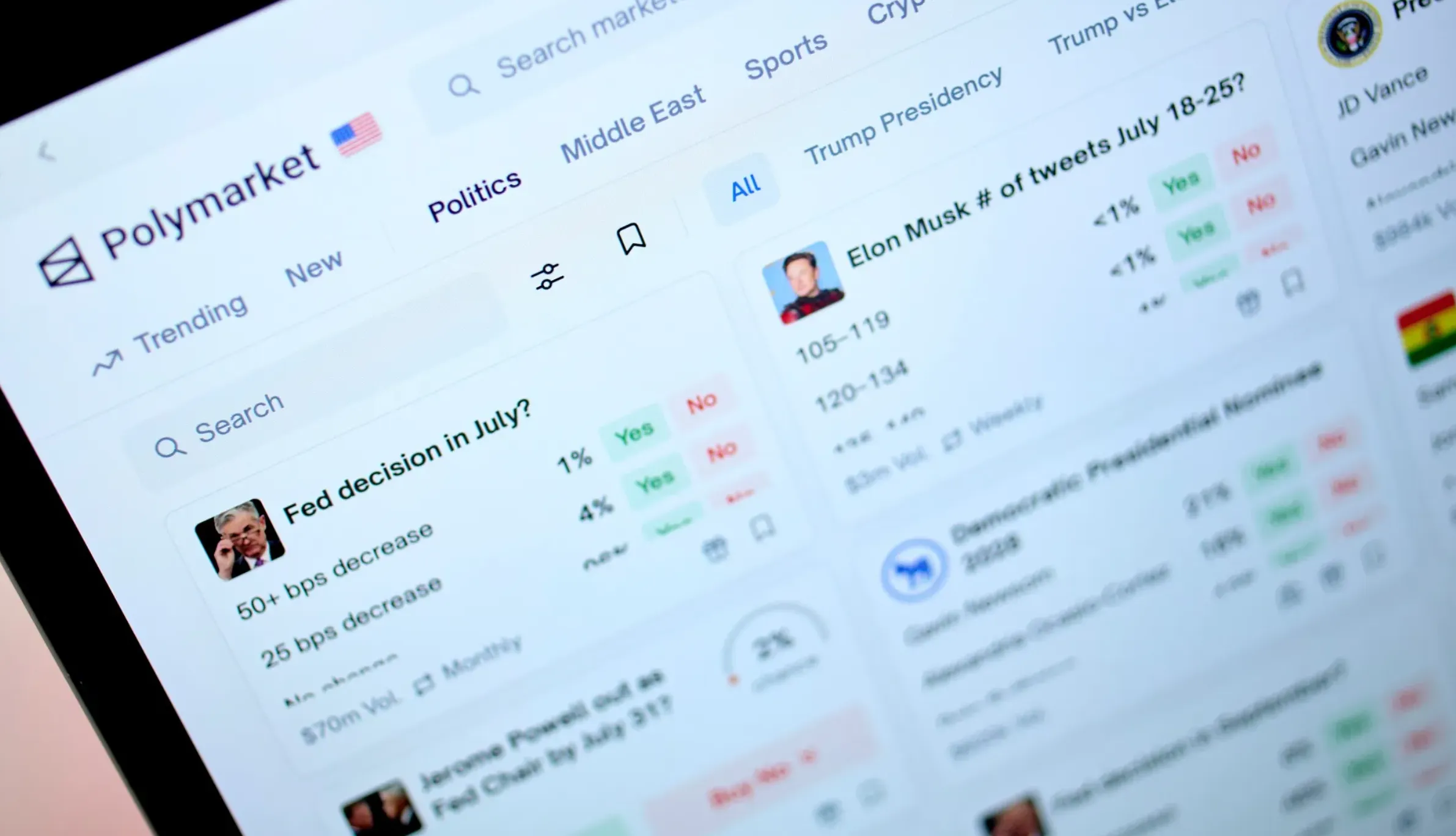
Polymarket fake videos paid creators to stage wins on dummy sites, per a WSJ probe. Here is how to spot rigged betting promos and what it signals.
Key Takeaways
- A WSJ probe found 1,100+ Polymarket promo videos were staged on fake look-alike sites, with paid creators not disclosing payment.
- The Verge reported 118 clips depicted $900,000 in wins that would have actually lost $166,000 in reality.
- Check the on-screen URL, look for paid disclosure, and distrust outsized wins before trusting any betting promo.
On this page
Polymarket fake videos are staged promotional clips in which paid creators appear to place and win real bets on the prediction market, when the bets were not real.
A Wall Street Journal investigation reviewed more than 1,100 such videos and the guidance creators were given, a finding reported the same day by Engadget, TechCrunch, and The Verge.
Are the viral Polymarket betting videos fake?
Yes, according to the Wall Street Journal investigation cited across all three outlets, the winning-bet videos circulating on social media were staged rather than genuine.
The clips were not filmed on the real platform but on near-perfect copies of the Polymarket website, with trades and winnings that did not happen.
The Verge reported one telltale clue, a clip that showed someone visiting "poiymarket.com" rather than polymarket.com, a dummy domain the company later took down.
The catch for viewers is that these clues are subtle, so a casual scroll past a celebration clip gives no obvious sign that the win was manufactured.
What the WSJ investigation actually found
The investigation centered on the scale of the operation and the gap between what the videos showed and what would have really happened.
Engadget reported that of 1,105 TikTok videos reviewed, 778 appeared to show someone placing a bet, yet none of those used the actual Polymarket site.
The Verge added a sharper figure, that across 118 videos creators reacted to winning bets totaling almost $900,000, while in reality those same bets would have lost $166,000.
That roughly $1 million swing between depicted wins and real-world losses is the most cite-worthy number here, because it quantifies the deception rather than just describing it.
The sources agree the videos were then amplified by a "social-media army" deployed by a marketing contractor to push them viral.
Where the sources agree and where they differ
The three reports align on the core facts but each surfaces a different proof point, which together form a fuller picture than any single article.
| Detail | What it shows | Source |
|---|---|---|
| 1,105 videos reviewed, 778 staged a bet, none on the real site | Scale and method | Engadget |
| $900,000 in depicted wins vs $166,000 in real losses (118 videos) | Size of the deception | The Verge |
| Creators told not to disclose payment, later added "@polymarket partner" to bios | Disclosure failure | TechCrunch |
| "poiymarket.com" dummy domain used in at least one clip | How fakes were built | The Verge |
No source contradicts another on the substance, which strengthens confidence in the underlying claims.
One creator, Razeen Khan, told TechCrunch the practice was like commercials that make fast food look better than it is, saying "we're depicting what actually happens," a framing the reporting treats skeptically given the bets were not real.
How to spot a staged or sponsored betting promo
You can flag most rigged betting clips with a short checklist before you trust a win celebration.
- Check the URL on screen, since fakes used look-alike domains like "poiymarket.com" instead of the real address.
- Look for a disclosure, because creators here were reportedly told not to say they were paid until journalists started asking.
- Treat outsized wins as a red flag, since the depicted $900,000 in wins masked real losses.
- Distrust uniform virality, as a coordinated "social-media army" can make staged clips look organically popular.
The condition on this checklist is that none of these signs is conclusive alone, so weigh them together rather than relying on one.
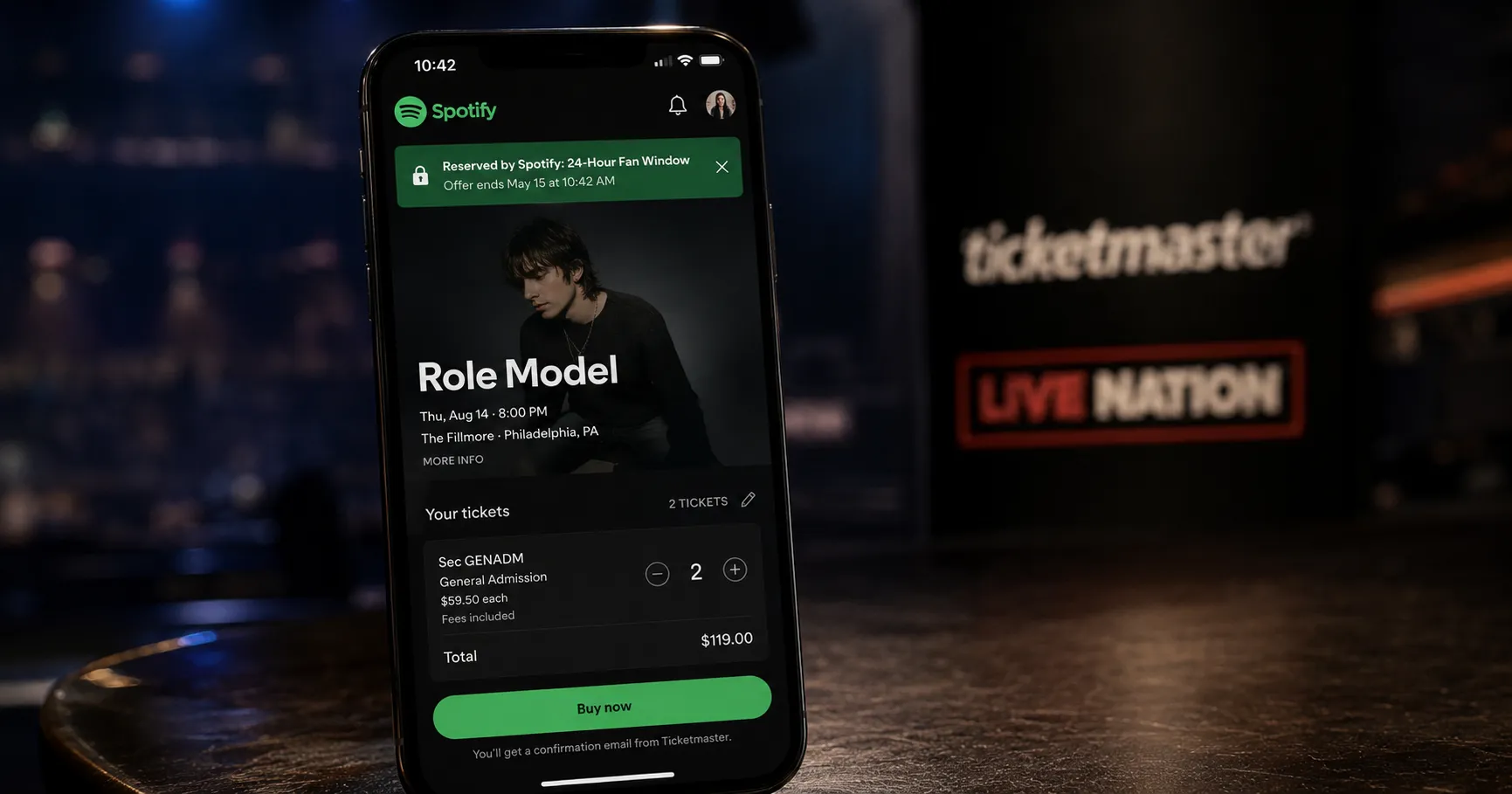
The same trust questions apply to other platforms fighting manipulation, as covered in our look at Spotify's new ticket system built to beat bots.
What this signals about prediction-market hype
The episode signals that prediction-market marketing can be engineered to look like authentic user success, which raises the bar for what counts as proof.
Polymarket said it is "committed to maintaining accurate, fair, and transparent markets" and plans to audit its promotional content, per TechCrunch.
This lands during heavier scrutiny of the sector, with Minnesota becoming the first US state to ban prediction markets last month and Spain blocking Polymarket and Kalshi in May, as reported by Engadget.
What is easy to miss is that the controversy is about the advertising, not a proven flaw in the markets themselves, so the practical takeaway is to judge any betting platform by its real results, not its viral highlight reels.
References:
- Engadget, Polymarket has reportedly been paying creators to post fake betting videos. Accessed on Jun 22, 2026
- TechCrunch, Polymarket reportedly paid creators to post deceptive videos about fake bets. Accessed on Jun 22, 2026
- The Verge, Polymarket reportedly paid people to post fake videos of themselves placing bets. Accessed on Jun 22, 2026
Frequently asked questions
Did Polymarket pay creators for fake videos?
According to a Wall Street Journal investigation reported by Engadget, TechCrunch, and The Verge, Polymarket paid creators to post videos showing fake bets and wins filmed on near-perfect copies of its website.
How can I tell if a betting video is staged?
Check the URL on screen for look-alike domains, look for a paid-partnership disclosure, and treat unusually large wins and coordinated viral reach as red flags.
Is Polymarket itself illegal now?
The controversy concerns its promotional videos, not the markets directly, though Minnesota banned prediction markets last month and Spain blocked Polymarket and Kalshi in May, per Engadget.
About the author
The Mixstackrr Team is a group of writers and editors with more than 10 years of combined experience in SEO and consumer tech. We test devices, dig through settings, and turn everyday tech problems into clear, step-by-step guides anyone can follow.