Rivian Self-Driving: Lawsuit Claims & What Owners Can Do

A new class-action lawsuit claims Rivian misled owners about self-driving in Gen 1 vehicles. Here's what the hardware gap means for you.
Key Takeaways
- A lawsuit alleges Rivian's Gen 1 vehicles lack the hardware for promised Level 3 self-driving, making the feature impossible to add via software.
- The key difference is the 'Rivian Autonomy Platform' in Gen 2 vehicles, which has 11 cameras and 10x more computing power.
- This case reflects an industry-wide issue of automakers facing legal action over ambitious autonomous driving claims, similar to challenges faced by Tesla.
On this page
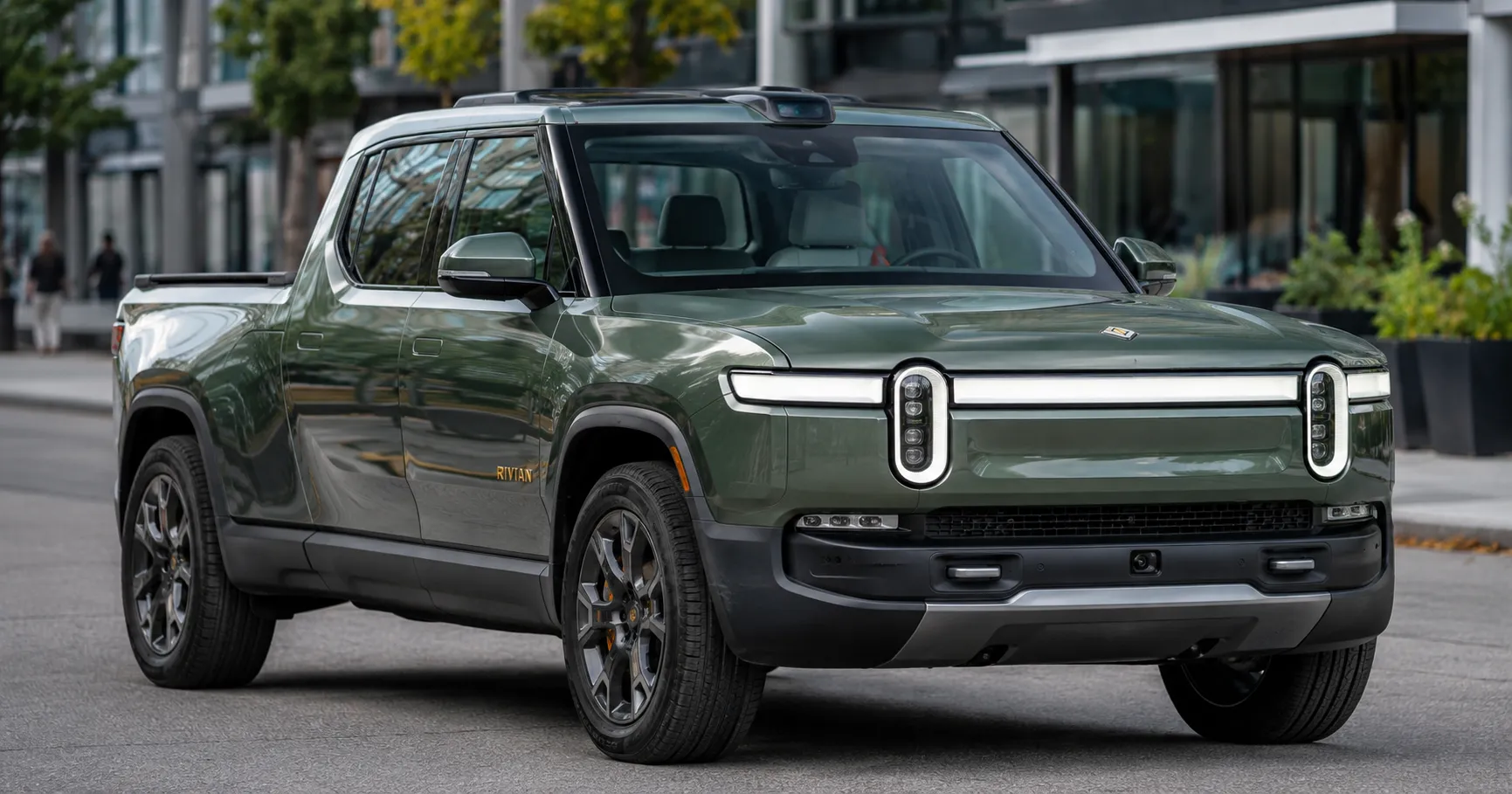
Rivian is facing a class-action lawsuit alleging it knowingly sold its first-generation R1T and R1S vehicles with false promises about their future self-driving capabilities. The complaint argues these early models can never deliver the Level 3 autonomous driving the company marketed.
This affects owners of the first-generation vehicles, who the lawsuit claims paid for a feature their hardware can never support.
What the Rivian Self-Driving Lawsuit Alleges
The lawsuit, filed in the U.S. District Court for the Central District of California, centers on a key promise. It claims Rivian spent five years representing that its vehicles would achieve Level 3 autonomy, which allows for hands-free and eyes-off driving in certain conditions.
The core of the complaint is that first-generation vehicles were manufactured without the necessary cameras, sensors, and computing power to enable this feature. The plaintiffs argue that no software update can overcome this fundamental hardware limitation. The claims against Rivian include fraud and negligent misrepresentation. The catch is that these are currently allegations in a pending case, and Rivian has declined to comment.
Gen 1 vs. Gen 2: The Hardware Gap Explained
The difference between what was promised and what is possible comes down to the vehicle's build generation. While the vehicles look nearly identical, a 2024 overhaul introduced a completely new hardware suite for second-generation models.
This table breaks down the crucial differences cited in the lawsuit and company statements.
| Feature | First-Generation R1 | Second-Generation R1 (2024+) |
|---|---|---|
| Hands-Free Driving | Not available or possible | Available ('Universal Hands-Free') |
| Autonomy Platform | Base system | Rivian Autonomy Platform |
| Hardware | Insufficient for Level 3 | 11 cameras, 5 radar sensors |
| Computing Power | Base level | 10x more powerful than Gen 1 |
| Software Updates | Cannot enable hands-free | Received hands-free update Dec 2025 |
According to TechCrunch, the second-generation 'Rivian Autonomy Platform' is the key enabler. This hardware difference is the central technical argument of the lawsuit.
What This Means for Rivian Owners and the EV Market
For owners of first-generation R1T and R1S vehicles, the lawsuit argues that the 'true hands-free driving' feature will never arrive. If the class action is successful, it could result in some form of compensation for these owners.
This situation is not unique to Rivian and reflects a wider industry challenge. Tesla has faced similar lawsuits and regulatory scrutiny from the California DMV over its marketing of 'Autopilot' and 'Full Self-Driving' features. The lawsuit against Rivian mirrors a broader trend where companies face legal challenges over promised AI capabilities, creating a form of AI model risk for consumers who buy into a future that may not materialize. The outcome of this case could influence how automakers market autonomous features that are still in development.
References:
- Engadget, Rivian faces a class action lawsuit over self-driving in its early vehicles. Accessed on Jun 19, 2026
- TechCrunch, Rivian owners file lawsuit alleging false promises on self-driving features. Accessed on Jun 19, 2026
- The Next Web, Rivian sued for allegedly promising self-driving features its first-generation vehicles can never deliver. Accessed on Jun 19, 2026
About the author
The Mixstackrr Team is a group of writers and editors with more than 10 years of combined experience in SEO and consumer tech. We test devices, dig through settings, and turn everyday tech problems into clear, step-by-step guides anyone can follow.