PBT Keycaps: PBT vs ABS, and Are They Worth It?

PBT keycaps resist the shine and wear that plague ABS over time. Here is the full PBT vs ABS breakdown on feel, durability, and whether the upgrade is worth it.
Key Takeaways
- PBT keycaps resist the glossy shine and even texture loss that ABS develops over months of heavy use, per Corsair's keycap guide.
- PBT feels slightly rougher and more premium and tends to sound deeper, while ABS is smoother, cheaper, and comes in more vivid colors.
- For daily typists who keep a board long-term, PBT is worth the upgrade, but legend quality (double-shot vs dye-sub) matters as much as the plastic.
On this page
You have probably seen a years-old keyboard where a few keys look greasy and polished while the rest stay matte, and that shine is the single clearest argument in the PBT keycaps debate.
The keycaps you type on shape how a board feels and how it ages far more than most buyers expect, which is why PBT versus ABS comes up the moment you start upgrading a budget build.
What Are PBT Keycaps and How Do They Compare to ABS?
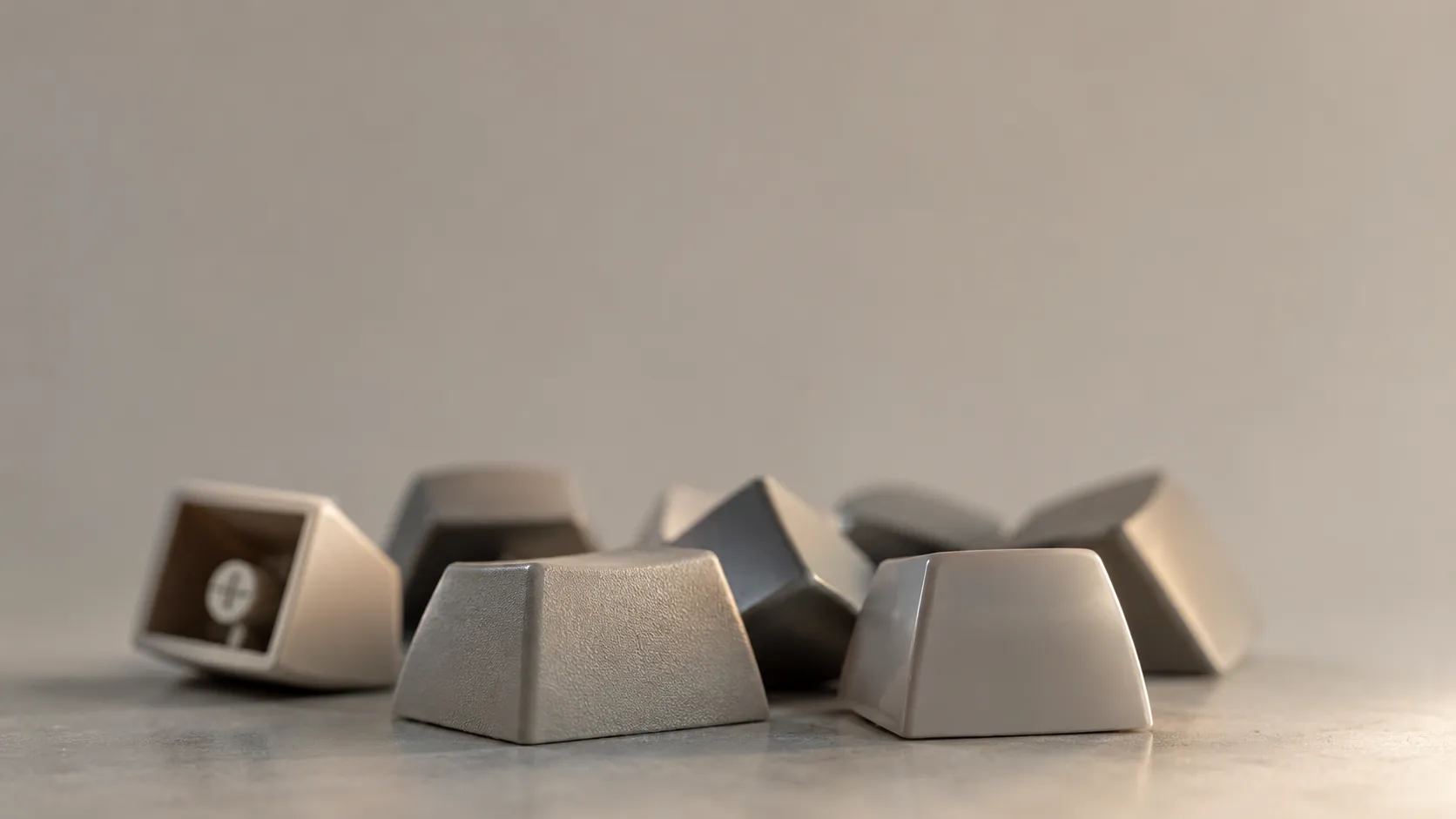
PBT keycaps are keycaps molded from polybutylene terephthalate, a dense, hard-wearing plastic prized for resisting the shine and texture loss that ABS develops over time.
ABS, by contrast, is acrylonitrile butadiene styrene, the softer and cheaper plastic used on the vast majority of stock keyboards.
According to Corsair's guide on ABS vs PBT keycaps, ABS keys slowly become shiny over time because of the relative weakness of the material, and that wear can lead to loss of the legend, or symbol, printed on the key.
PBT wears more slowly and more evenly, so the keycaps stay usable and good-looking for longer, which is the core reason enthusiasts treat PBT as the durability upgrade.
If you are choosing keycaps as part of a wider first build, browse our other mechanical keyboard guides to pair the right switches and layout with your new keycaps.
PBT vs ABS Keycaps: The Full Comparison
The practical differences between PBT vs ABS keycaps come down to four things you will actually notice: shine, feel, sound, and price.
| Factor | PBT Keycaps | ABS Keycaps |
|---|---|---|
| Durability / shine | Resists shine, wears slowly and evenly | Develops glossy shine over months of use |
| Surface feel | Slightly rougher, textured, more premium | Smoother, can feel slick or glassy |
| Sound | Tends to sound deeper and more muted | Tends to sound brighter and sharper |
| Color / UV | More UV resistant, holds color longer | Wider vivid colors, can fade over time |
| Price | Higher, harder to mold | Cheaper, easy to mass-produce |
Durability and the Shine Problem
Shine is the defining ABS weakness, and it is the first thing PBT keycaps are bought to solve.
The oils on your fingertips and the simple friction of typing gradually polish ABS until high-traffic keys like WASD or the spacebar look noticeably glossier than their neighbors.
Corsair notes that PBT is more resistant to degradation caused by UV light, so PBT keycaps keep their color and their pleasing texture for longer.
In practice, many PBT users report no noticeable shine even after one to two years of heavy daily use, which is the kind of longevity that makes the material feel worth the cost.
Feel and Sound: The Sensory Difference
The feel difference is real and immediate, not marketing.
PBT keycaps have a slightly rougher surface finish, which Corsair identifies as one of the reasons they feel more pleasant to type on and feel more premium overall.
ABS keycaps feel smoother and slicker, a texture some typists prefer but one that contributes to the glassy sensation as the keys polish up.
On sound, PBT tends to read as deeper and more muted while ABS sounds brighter and sharper, a gap that grows once you pair the keycaps with a well-built case and switches.
Why ABS Still Dominates Stock Keyboards
ABS is everywhere because it is cheap, easy to manufacture, and the results are reliable, which matters enormously when factories produce keycaps by the millions.
PBT is denser and harder to mold cleanly, so it costs more and shows up far less often on stock boards from major brands.
What is easy to miss here is that material is only half the story, because the way a legend is applied, by double-shot molding or dye-sublimation, affects how long the letters survive regardless of plastic.
A high-quality double-shot ABS keycap can outlast a cheap PBT one, so the plastic alone does not guarantee quality.
Are PBT Keycaps Worth It?
For most buyers upgrading a budget mechanical keyboard, PBT keycaps are worth it, mainly for the long-term resistance to shine and the more textured typing feel.
If you type for hours every day and care about how the board looks after a year, the durability advantage pays for itself.
If you rotate keyboards often, swap keycaps for fun, or simply prefer a smoother surface, premium ABS remains a perfectly valid choice and often comes in brighter colors.
The honest answer is that PBT is the safer long-term pick, but it is an upgrade, not a requirement, and a good switch and stabilizer setup will do more for your typing experience than the keycap plastic alone.
Frequently asked questions
Do PBT keycaps fit all mechanical keyboards?
Most PBT keycap sets fit standard MX-style switches and common layouts, but confirm your board's layout and bottom-row spacing before buying, since compact and ergonomic boards often use non-standard key sizes.
Why are my ABS keycaps shiny?
ABS develops shine because the plastic is relatively soft, so finger oils and typing friction gradually polish the most-used keys, and Corsair notes this wear can eventually lead to loss of the printed legend.
Are PBT keycaps better for gaming?
PBT keycaps are popular for gaming because the textured surface resists the slick, shiny feel that develops on heavily used keys like WASD, though the switches and overall build matter more for actual performance.
About the author
The Mixstackrr Team is a group of writers and editors with more than 10 years of combined experience in SEO and consumer tech. We test devices, dig through settings, and turn everyday tech problems into clear, step-by-step guides anyone can follow.