Snap Spectacles: Are AR Glasses Worth It in 2026?

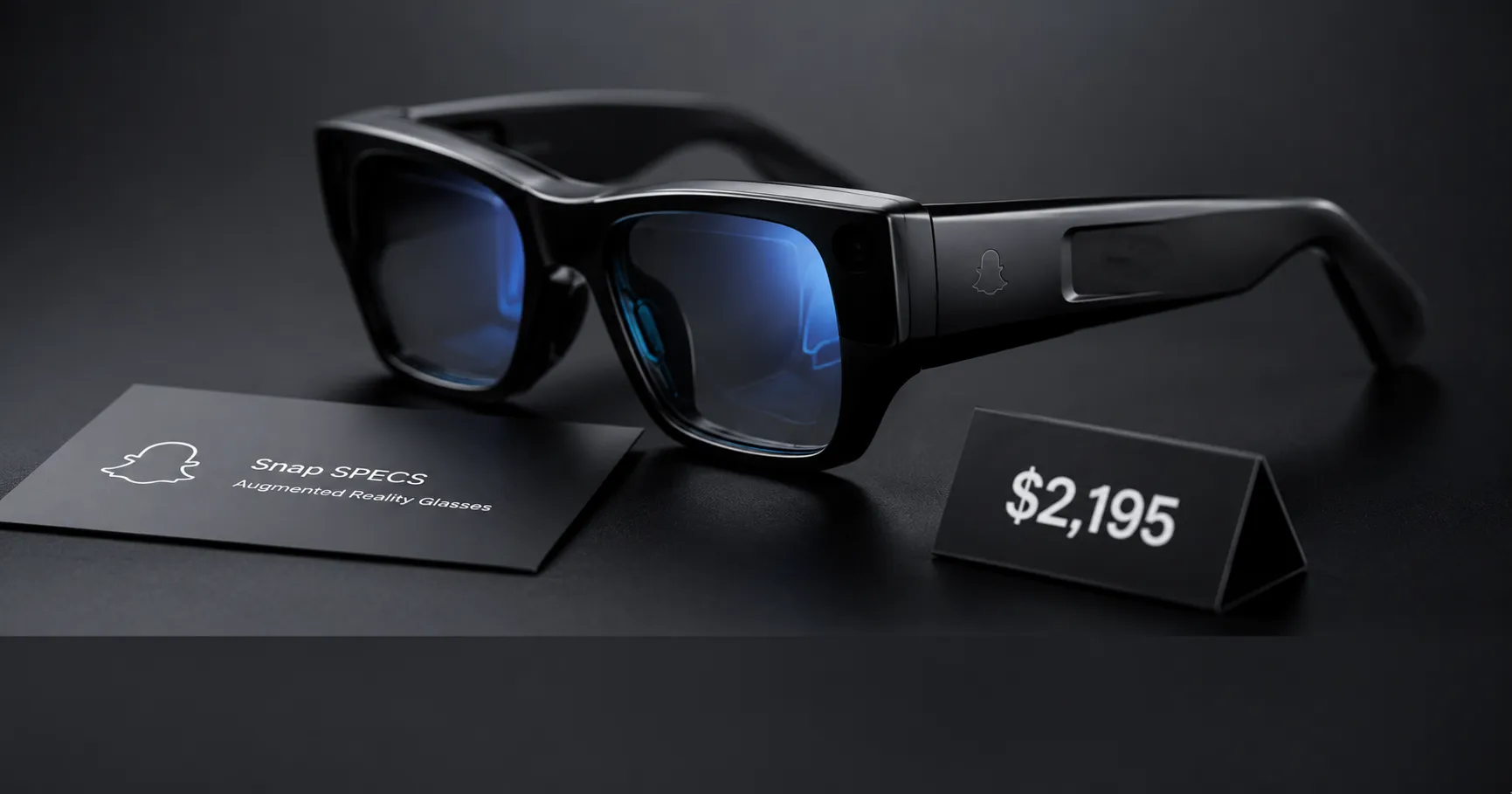
Snap's new $2,195 SPECS AR glasses aim to be a "wearable computer" for a post-smartphone world. Discover if their features justify the premium price against the market.
Key Takeaways
- Snap's $2,195 SPECS are positioned as a 'wearable computer' to compete with devices like Apple's Vision Pro, not just camera glasses.
- The high price makes them a tough sell for Snap's young core audience, targeting developers and early adopters first.
- While offering hands-free navigation and AI, concerns remain about distraction, privacy, and the limited app ecosystem.
On this page
Snap's new $2,195 SPECS are not just another pair of smart glasses. The company is positioning them as a "wearable computer" designed to move computing from a screen in your hand to the world around you.
With a premium price and a nascent market, the key question is whether they offer practical value for consumers today.
What Are Snap SPECS and What Do They Do?
Snap CEO Evan Spiegel describes SPECS as a "see-through computer" that combines the functions of augmented reality displays and AI assistants. The device is powered by two Snapdragon processors and uses hand tracking for control, eliminating the need for a separate input device.
According to Snap, the liquid crystal on silicon display creates a 51-degree field-of-view, which is comparable to viewing a 24-inch monitor from a few feet away. This allows for use cases like turn-by-turn navigation, taking spatial measurements, and using contextual AI assistants without looking down at a phone. The catch is that the battery lasts for nearly four hours, as reported by CNBC.
SPECS vs. The Market: A Price and Feature Showdown
The AR glasses market is still finding its footing, with different companies betting on different approaches. Snap's strategy is to offer a comprehensive visual computing experience, which contrasts sharply with audio-focused competitors and more immersive headsets.
Here is how SPECS compare to other devices based on reports from CNBC, SlashGear, and Engadget.
| Device | Price | Primary Function | Key Focus |
|---|---|---|---|
| Snap SPECS | $2,195 | Wearable AR Computer | Visual overlay, AI agents |
| Meta Ray-Ban | Significantly lower | AI Glasses | Camera, audio, content recording |
| Apple Vision Pro | Starts at $3,500 | Spatial Computer (Headset) | Immersive VR/AR experiences |
Is the High Price Justified for Consumers?
At $2,195, SPECS cost nearly double the price of a top-tier smartphone. This positions them as a luxury or professional device, similar to other high-end gadgets like the rumored iPhone Ultra. According to Jitesh Ubrani, a research manager for IDC, this is a challenging time for any company to launch a premium product due to rising inflation.
The price is a significant barrier, especially given that Snap's core audience has historically skewed young and may not have the disposable income for such a purchase. Spiegel acknowledges this, stating to Engadget that the initial price targets early adopters and developers, with a long-term goal to make the hardware more accessible over time.
The Practical Downsides: Distraction and Privacy
Beyond the cost, potential buyers must consider the practical implications of wearing a computer on their face. One concern raised by SlashGear is the risk of distraction; a notification could appear at a critical moment, like when crossing a road or driving, potentially causing an accident.
Privacy is another major hurdle for smart glasses. However, Spiegel aims to differentiate SPECS from devices marketed for recording content. He told Engadget that Snap does not allow facial recognition in its AR Lenses and that the purpose of SPECS is to be "using a computer, not surreptitiously recording videos." The company has also built parental controls to limit the AR effects available to teenagers.
References:
- SlashGear, Snap's SPECS May Be The Best Smart Glasses Yet, But There's Good Reason To Be Skeptical. Accessed on Jun 17, 2026
- CNBC Tech, Snap unveils $2,195 AR glasses as CEO Evan Spiegel bets on post-smartphone future. Accessed on Jun 17, 2026
- Engadget, Evan Spiegel doesn't want you to call Snap Specs AI glasses. Accessed on Jun 17, 2026
About the author
The Mixstackrr Team is a group of writers and editors with more than 10 years of combined experience in SEO and consumer tech. We test devices, dig through settings, and turn everyday tech problems into clear, step-by-step guides anyone can follow.