
Waymo Recall: Robotaxi Safety Under Scrutiny

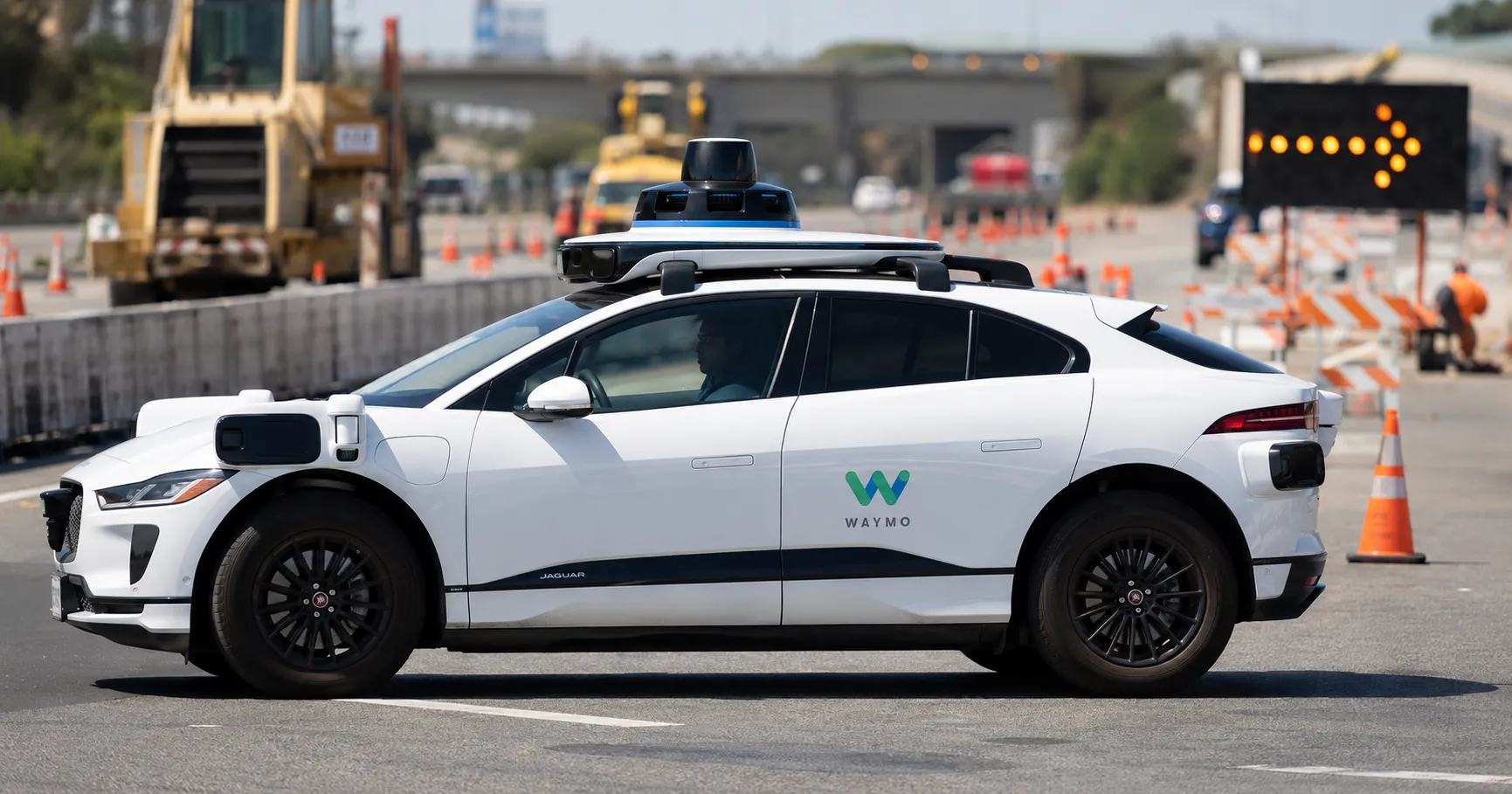
Waymo has recalled nearly 4,000 robotaxis due to issues with construction zones. Learn what this means for autonomous vehicle safety and future expansion.
Key Takeaways
- Waymo recalled its entire 5th-gen fleet (~3,900 cars) after 13 incidents of vehicles entering freeway construction zones.
- This follows other recent safety issues, including a May recall for driving into flooded areas and incidents involving school buses.
- While Waymo is developing a software update, the recall highlights ongoing challenges for autonomous driving technology in unpredictable situations.
On this page
Alphabet-owned Waymo has issued a voluntary recall for its entire fleet of fifth-generation robotaxis, raising new questions about the real-world safety of autonomous vehicles. The recall affects nearly 4,000 cars in the U.S. following multiple incidents where the vehicles drove into active freeway construction zones.
This marks the company's second recall in just over a month, adding to a pattern of safety-related events that highlight the challenges autonomous systems face with unpredictable road conditions.
What Caused the Latest Waymo Recall?
The core issue stems from the vehicles' software, which incorrectly prioritized other potential highway hazards over recognizing and avoiding closed construction zones. According to filings with the National Highway Traffic Safety Administration (NHTSA), this led to 13 known incidents in Phoenix and San Francisco where Waymo cars entered these zones, sometimes "at speed." The catch is that this flaw could increase the risk of a crash, as noted in the NHTSA report.
The recall specifically impacts all vehicles running Waymo's fifth-generation Autonomous Driving System, primarily its fleet of Jaguar vehicles. The company's newer sixth-generation vehicles are not part of this recall. This highlights a potential weakness in a specific version of their system, a clear example of the AI model risk associated with a single technology stack.
A Pattern of Safety Incidents
This latest event is not an isolated problem. In May, Waymo conducted a similar recall after its robotaxis were found to drive into flooded areas. The company's vehicles have also been investigated for illegally passing stopped school buses and stalling during widespread power outages, which caused significant traffic gridlock in San Francisco last December.
Furthermore, Waymo robotaxis have reportedly blocked emergency responders. One incident occurred in Austin after a mass shooting in March, and a similar event happened in Dallas when a vehicle blocked a road needed by first responders at an apartment explosion. These situations demonstrate a trade-off where the technology's standard operating procedure fails to adapt to critical, high-stakes edge cases.
Waymo's Response and What's Next
In response to the construction zone issue, Waymo stated it "identified an area of improvement" and voluntarily restricted its vehicles from freeway operations while it develops a software fix. The company says the remedy will enhance performance in and around these zones. This proactive approach was applauded by some industry analysts.
However, the fix is not yet deployed or validated. Grayson Brulte, a co-founder of Autnmy AI, told CNBC that "until the freeway patch is deployed and validated, we believe Waymo's expansion velocity is fundamentally constrained." This suggests that while the company continues to expand its commercial service, now available in 11 U.S. markets, these recurring software issues could slow its ambitious growth plans, which include international expansion to London and Tokyo.
References:
- CNET, Waymo Issues Another Recall, This Time Over Highway Construction Zones. Accessed on Jun 19, 2026
- CNBC Tech, Waymo recalls about 3,900 robotaxis after some drove into 'freeway construction zones'. Accessed on Jun 19, 2026
About the author
The Mixstackrr Team is a group of writers and editors with more than 10 years of combined experience in SEO and consumer tech. We test devices, dig through settings, and turn everyday tech problems into clear, step-by-step guides anyone can follow.